Data Analytics and AI: Unlocking Business Intelligence
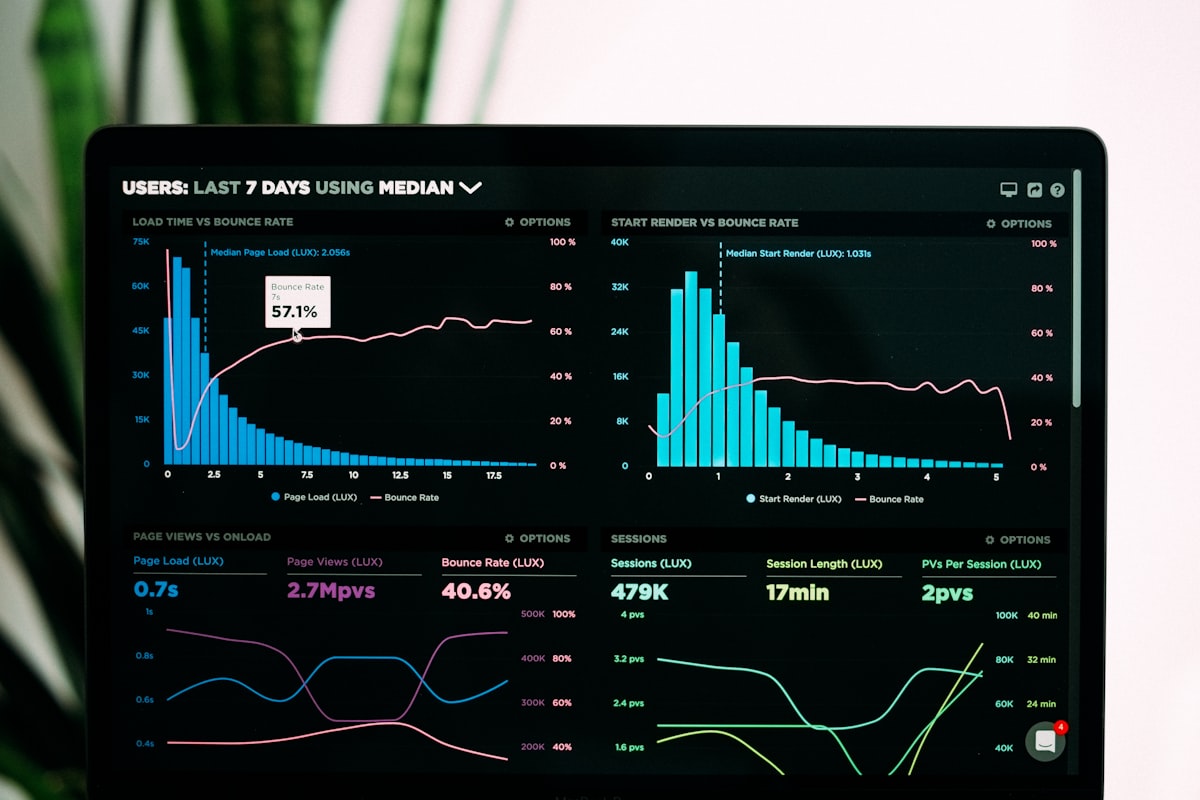
AI-powered analytics goes beyond traditional business intelligence, providing predictive insights, automated analysis, and real-time decision support. Learn how to harness AI for data-driven competitive advantage.
Evolution from BI to AI Analytics
Traditional BI tells you what happened. AI analytics tells you what will happen and what you should do about it. This shift enables proactive rather than reactive decision-making.
Key Capabilities
Predictive Analytics
Forecast future outcomes based on historical patterns. Predict customer churn, demand fluctuations, equipment failures, and market trends.
Prescriptive Analytics
Go beyond prediction to recommendation. AI suggests optimal actions based on predicted outcomes and business constraints.
Automated Insight Discovery
AI automatically identifies significant patterns, anomalies, and correlations in data without manual exploration.
Natural Language Queries
Ask business questions in plain English and receive instant, accurate answers from your data.
Common Use Cases
- Customer segmentation and targeting
- Revenue forecasting and planning
- Inventory optimization
- Fraud detection
- Price optimization
- Marketing campaign effectiveness
- Operational efficiency analysis
Implementation Approach
Data Foundation
Consolidate data from disparate sources. Ensure data quality and consistency. Build proper data governance.
Analytics Platform
Select appropriate tools for data storage, processing, and visualization. Consider cloud vs. on-premise options.
Model Development
Build predictive models for key business questions. Train models on historical data. Validate accuracy before deployment.
User Adoption
Create intuitive dashboards and reports. Train business users on interpretation. Embed analytics into workflows.
Best Practices
- Start with high-impact business questions
- Ensure executive sponsorship
- Invest in data quality
- Balance automation with human judgment
- Monitor and refine models continuously